Are you planning a trip to Iceland in October and wondering what the weather is really like and whether it’s a good time to visit?
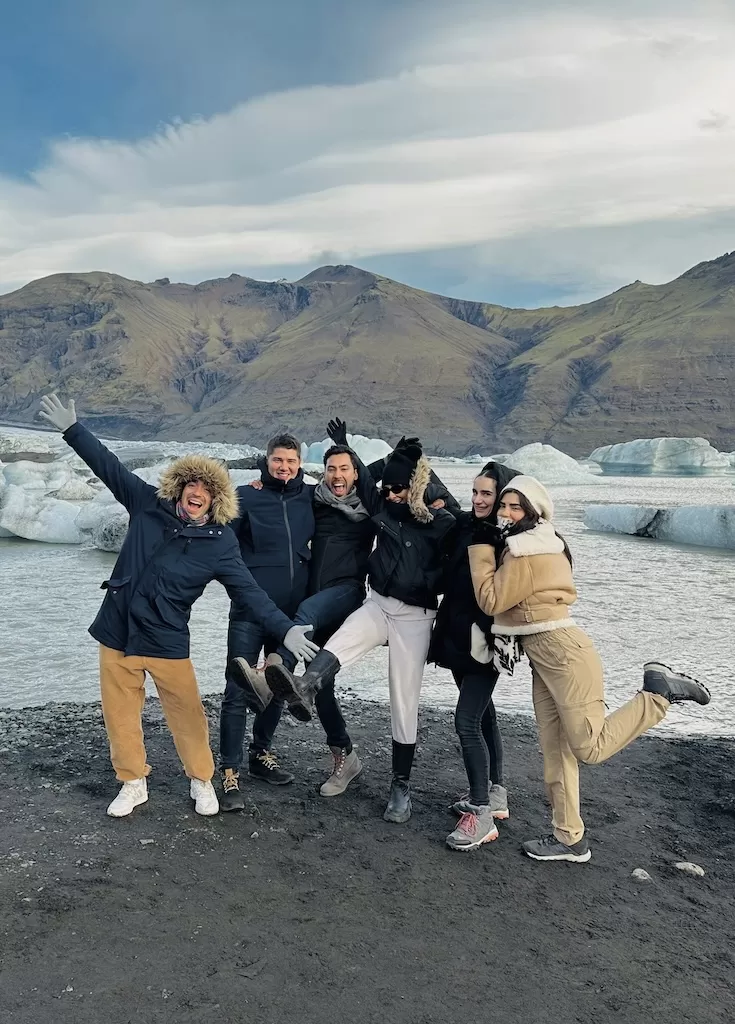
Having visited Iceland in October myself on a 10-day Ring Road trip with my brother and a group of friends, I can confidently say that it’s one of the best months to experience the country.
We were lucky enough to see the Northern Lights multiple times, drive around the entire island without any major issues, and enjoy many of Iceland’s most famous attractions without the peak-season crowds. Yes, the weather was unpredictable at times, but that’s simply part of traveling in Iceland, no matter the season.
October sits right between summer and winter, offering a unique mix of benefits. The landscapes begin to take on their autumn colors, the nights are finally dark enough for Northern Lights hunting, and accommodation prices are often lower than during the busy summer months.
In this guide, I’ll share everything I learned from visiting Iceland in October, along with practical tips to help you plan your own trip. From what weather to expect and what to pack to the best things to do and whether a Ring Road road trip is realistic, you’ll find everything you need to know before visiting Iceland in October.
If you’re trying to decide whether October is the right time to visit Iceland, this guide should answer all your questions.
Thank you for supporting The Borderless Mind! By clicking on our links, we may earn a small affiliate commission, which allows us to continue offering free content :)Is October a Good Time to Visit Iceland?
Yes, absolutely. In fact, if you’re hoping to experience a little bit of everything Iceland is known for, October is hard to beat.
You still have enough daylight for road trips, waterfalls, glacier hikes, and sightseeing, but the darker nights return, giving you a genuine chance of seeing the Northern Lights. Add in autumn colors, slightly lower prices than summer, and fewer crowds than July and August, and it’s easy to see why October has become such a popular month to visit.
Of course, the trade-off is the weather. Conditions can change quickly, and you’ll need to be flexible with your plans. But let’s face it, stable weather isn’t exactly what Iceland is known for anyway.
 Best For: Northern Lights, road trips, glacier adventures, and autumn scenery. Weather: Cool, windy, with possible rain and snow. Daylight: Around 8–12 hours.
 Weather In Iceland in October
If you ask a beach town girl like me, Iceland in October is freezing! But in reality, considering their average temperatures, October isn’t too harsh yet. Which makes it a great time to visit Iceland.
You can expect temperatures to range from about 2 °C to 7 °C (36 °F to 45 °F).
However, with the wind and other factors, it can feel more like -3 to 0 °C (27 to 32 °F). You might also encounter a mix of rain and even a bit of snow.
October weather can vary quite a bit depending on when you visit. Early October often feels more like autumn, while late October can start feeling surprisingly wintery, especially in northern Iceland and higher elevation areas.
If your main goal is sightseeing and road-tripping, early October generally offers slightly better conditions. If you’re visiting primarily for the Northern Lights, the second half of the month gives you longer dark nights.
The truth is, Icelandic weather is super unpredictable and can change in a heartbeat. So no matter what, be sure to pack those warm layers!
How many daylight hours are there?
Iceland in October enjoys about 8 to 12 hours of daylight, depending on the time of the month. As the month progresses, you’ll notice the days getting shorter, but it’s still enough time to explore and soak in the sights. Just be ready for those stunning sunrises and sunsets!
When is sunrise and sunset in October?
At the beginning of October, sunrise is roughly around 7:30 AM and sunset around 7:00 PM. By the end of the month, sunrise is closer to 9:00 AM and sunset can be as early as 5:00 PM.
This is something many first-time visitors underestimate when planning an Iceland road trip. Those daylight hours disappear surprisingly quickly as the month progresses, so it’s worth building some flexibility into your itinerary.
Does it snow in Iceland in October?
Yes, it can snow. While it’s not guaranteed, especially early in the month, you might see some light snow, especially in the northern regions and higher elevations.
When I visited Iceland in October, we got a little bit of snow in the north. It wasn’t anything significant, but it definitely added to the experience and made the landscapes look even more dramatic.
How much rain does Iceland get in October?
In October, Iceland typically experiences about 70 to 100 mm (2.8 to 4 inches) of rainfall. It’s actually one of the wetter months, especially in the more coastal areas.
While you will enjoy some beautiful autumn scenery, you will also be using your waterproof jacket and shoes.
Can You See the Northern Lights in Iceland in October?

Yes! You certainly can. Some people even say this is the best month because the nights are long and dark enough for aurora viewing, but road conditions are generally easier than during the depths of winter.
we saw them a few times, and the displays were absolutely spectacular!
I can tell you that during my own 10-day road trip, we saw the Northern Lights four different times. Most sightings happened at campsites where we parked our RV in more remote areas away from towns and cities. In fact, spotting the aurora turned out to be much easier than I expected.
Of course, seeing the Northern Lights is never guaranteed. If you’re on the hunt for auroras, keep in mind that clear skies are key for the best views. Websites like Aurorareach.com provide real-time aurora maps, so you can get in hunting mode and track them down.
What to pack for Iceland in October

Iceland’s weather can change several times in a single day, especially in October. Layers and waterproof gear were by far the most important items we packed.
During our 10-day road trip around Iceland, we experienced sunshine, rain, strong winds, and even a bit of snow in the north. Having the right clothing made a huge difference, especially when visiting waterfalls, hiking, and spending long days on the road.
Here’s a simple Iceland packing list covering the essentials.
Waterproof jacket & pants Thermal base layers Fleece or wool sweater Warm beanie Gloves Scarf or neck gaiter Wool socks Swimsuit
Waterproof hiking boots Comfortable walking shoes
Travel insurance Daypack Reusable water bottle Portable charger Universal adapter Camera
For a complete breakdown of exactly what to bring, including clothing recommendations, gear, electronics, and season-specific tips, check out my full Iceland packing list guide below.
Events and Festivals in Iceland in October
One of the highlights of October in Iceland is the Reykjavík International Film Festival (RIFF), a special event that draws filmmakers and movie buffs from around the world. The 11-day event features a wide array of activities, including film screenings, documentaries, workshops, and discussion panels.
October also brings the opportunity to witness the Lighting of the Imagine Peace Tower, a tribute to John Lennon, held on his birthday, October 9th. Yoko Ono’s memorial to Lennon is an annual tradition that projects a light pillar up to 4 kilometers into the sky.
Other activities to look out for include Halloween in late October, and for those who enjoy music, there are often small concerts happening throughout Reykjavík.
Best Things to Do in Iceland in October

The best way to experience Iceland in October is by renting a car or RV and exploring beyond Reykjavík.
In October you get a bit of everything. Autumn colors are still visible across much of the country, popular attractions are less crowded than in summer, and prices for accommodation, tours, and rental vehicles are often lower (considering that prices in general are high, this is definitely a bonus!).
Iceland is a country defined by its landscapes, so spending time outdoors is one of the best ways to experience it. October is also one of the few months that offers such a wide variety of activities in a single trip.
You can hike glaciers, soak in hot springs, road trip between waterfalls, explore Reykjavík, and potentially see the Northern Lights—all during the same visit.
Here are the best things to do in Iceland in October.
Road Trip: The Golden Circle / Ring Road
October is a great time to hit the road in Iceland. There are a few routes to explore, but the most common ones are the Golden Circle and the Ring Road.
The Golden Circle is a great option is if you have limited time. This loop can be done from Reykjavík and covers 3 famous attraction sites: Thingvellir National Park, the Geysir geothermal area, and the Gullfoss waterfall.
You can cover everything in one day, but if you have the time, consider an overnight stay to fully enjoy the natural beauty and stop by at in-between attractions. Think Icelandic horse farms, local restaurants, and stunning Lutheran churches!
For those with more time, seven days or more, the Ring Road is the best route to experience a full loop of the country. The route circles the entire island, and allows you to reach all the main attractions. This route will take you through diverse and truly stunning landscapes.
If you’re planning to drive the Ring Road in October, I would personally recommend allowing at least 8–10 days. While the route can technically be completed faster, October weather can sometimes slow you down, and you’ll appreciate having flexibility if conditions change unexpectedly.
ReykjavikGolden Circle: Thingvellir National Park, Geysir, GullfossSouth Coast: Seljalandsfoss, Skógafoss, Reynisfjara Black Sand Beach, Vík í MýrdalVatnajökull National Park: Skaftafell, Jökulsárlón Glacier LagoonEast Iceland: Vestrahorn, Hengifoss, Litlanesfoss, StuðlagilNorth Iceland: Dettifoss, Lake Mývatn, Húsavík, Akureyri, Hverir, GoðafossWest Iceland: Snæfellsnes Peninsula, BorgarnesAdditional Highlights: Fjaðrárgljúfur, Gljúfrabúi
Driving in Iceland in October
Driving in Iceland in October is generally very manageable, especially along the Ring Road and Golden Circle. I completed a 10-day Ring Road road trip in October and it was phenomenal! We were really lucky with the weather and had no delays or issues.
That said, the one thing you should pay close attention to is the wind. Strong gusts can appear suddenly and create dangerous driving conditions, particularly in exposed coastal areas. Before setting off each day, always check the forecast on Vedur.is and keep an eye on wind speeds.
Road conditions are usually still good in October, but I would still recommend renting a 4×4. By late October, northern parts of Iceland can start seeing snow and winter conditions, and a 4×4 gives you extra flexibility and peace of mind.
As long as you stay flexible and check the weather each day, driving in Iceland in October is a fantastic way to explore the country.
Watch the Northern Lights
The Northern lights are only visible when the sky is dark and clear, so it’s impossible to catch them from May to September because of the midnight sun. But October is one of the best months to catch the aurora borealis, with nights lasting up to 11–13 hours.
If you’re not planning to road trip around Iceland, joining a Northern Lights tour is a great way to increase your chances of seeing them. Local guides know where conditions are best and will take you to areas with the clearest skies.
However, if possible, it’s best to rent your own comfy campervan to ensure a hassle-free adventure at your pace. If you have your own car or camper, you can download an Aurora forecast app or check Iceland’s Northern Lights tracker to find the best viewing locations yourself.
On our 10-day road trip, we were lucky enough to catch the auroras at least four times. Many of the campsites were in remote locations, offering the perfect spot to appreciate them. Other times, we chased them down using tracking apps and websites.
Season: October marks the beginning of prime Northern Lights season.
Best Viewing Hours: Usually between 9 PM and 2 AM.
Best Conditions: Clear skies, minimal cloud cover, and low light pollution.
Reality Check: Even during peak season, sightings are never guaranteed.
Whale Watching
October is the end of summer, so all the animals, including whales and puffins, are migrating for winter. While puffins are no longer visible during this month, there are still opportunities to spot whales.
Many marine animals remain along the coasts during this time, and the relatively warmer waters of October offer opportunities for sightings.
To get the best chance to see these animals, you should start your whale-watching tour from Reykjavik or Húsavík in the north. Tours generally take around 3 hours. And, in addition to humpback whales, you might also spot blue whales, minke whales, and even orcas.
But be sure to wear thick and warm clothing, as the boat tours can get very chilly!
Visit an Ice Cave
One of the best things to do in Iceland in October is to visit the stunning ice caves!
Though they are typically more accessible during the winter months, some ice caves in the Vatnajökull glacier run from early October to March. The best thing about these caves is that they change as the glaciers shift, making every visit unique.
Since the caves can only be explored with a guided tour, it’s best to book one before your trip. We joined Ice Pic Journeys.
Their tours run multiple times a day, but I highly recommend you opt for the early bird tour, which is at 8AM, this way you can avoid the crowds. The space inside the caves is very limited, so it gets pretty crowded fast, and it’s hard to take good pictures.
The tour includes all the necessary gear to access the caves and to hike the glacier— which is an adventure in itself!
Vatnajökull, the largest glacier in Europe, offers breathtaking views that you won’t want to miss!
Horse Riding
Iceland’s breed of horse, the Icelandic horse, is world-renowned and one of the most cherished creatures in the country. Riding these sturdy and friendly horses is an experience unique to Iceland.
Thousands of years ago, these horses were brought to the country and developed some special traits to help them survive in Iceland’s harsh weather conditions.
Horseback riding is also one of the best ways to explore Iceland’s countryside and its rugged landscapes, especially during the shoulder month of October when there are fewer crowds. Many tours take you through lava fields, black sand beaches, and stunning valleys.
Glacier Hiking Tour

Iceland is a playground for adventure seekers who want to admire and hike the stunning glacier lagoons.
With clearer skies and fewer tourists, it’s a perfect time to experience glaciers like Vatnajökull or Sólheimajökull where you get to walk on an endless stretch of ice.
Whether you’re a beginner or a seasoned pro, there are various hike options available, with different locations, durations, and difficulty levels. Each tour includes all the necessary equipment, along with knowledgeable guides who will lead the way and help you gain a deeper understanding of the glaciers.
Along the way, you’ll take in breathtaking views and have plenty of photo opportunities to capture those stunning moments!
So, if you’re looking for a unique adventure, consider joining a glacier hiking tour, it’s a fantastic way to experience untouched nature in a safe way.
Snorkel and Dive Between Continents
Yes, you can snorkel and dive in Iceland in October! Snorkeling and diving are popular activities in Iceland throughout the year, and October is a great time to experience them before the harsh winter temperatures arrive.
While the water is cold (around 2-4 °C or 36-39 °F), it’s also very clear, offering visibility of over 100 meters.
There are many places around Iceland to snorkel and dive, but Silfra Fissure is the best place. Silfra Fissure is located in Thingvellir National Park, a natural wonder created as the North American and Eurasian tectonic plates drifted apart. So you can swim between two continents!
Natural Hot Springs
Iceland is famously known for its natural hot springs, with places like the Blue Lagoon and Sky Lagoon gaining world-renowned status (and for good reason!).
Both are conveniently located near Reykjavík, making them perfect for a quick visit even if you’re short on time.
We opted to visit Sky Lagoon after a local recommended it as a less touristy alternative with a better experience. I can’t recommend it enough—it was truly exceptional!
Relaxing in a hot spring is a favorite Icelandic pastime and a great way to unwind after a day of hiking or road-tripping. Especially with the chilly weather, jumping into the naturally warm waters feels incredible!
You’ll find many options across the country. We also took the time to visit other local springs, Myvatn Nature Baths in the north and Reykjadalur Hot Springs, which requires a hike to reach the river.
Other popular spots include Secret Lagoon and Laugarvatn Fontana geothermal baths, which are perfect for when you’re exploring the Golden Circle.
Just keep in mind that for some local spots, you’ll have to brave the cold and walk outside in your bathing suit to get inside.
Hiking in Iceland in October
Though it’s not the height of summer, hiking in Iceland in October is still possible! You’ll be able to enjoy this beautiful outdoor activity with fewer tourists on the trails.
Multi-day hikes might not be an option from the beginning of October because it’s too cold for camping, but you can opt for one of the many single-day trips.
Thingvellir National Park is home to some of the country’s most iconic hikes, and the Skaftafell Nature Reserve in the southeast offers some of the best autumn scenery, with glacier views and waterfalls like Svartifoss.
Another iconic region for hiking is Landmannalaugar, with its rhyolite mountains and natural hot springs that you can access on tours.
Just be sure to pack proper clothing and gear to handle the weather—especially the strong winds and rain—in case you encounter them.
Sightseeing in Reykjavik
Reykjavík, Iceland’s capital, is full of Nordic charm. It has a cozy downtown area, fantastic restaurants, tons of museums, and a surprisingly lively nightlife.
One of my favorite things to do here was simply stroll through the streets lined with cute, colorful houses. (Technically, they’re a mix of houses and buildings, but either way, the vibrant colors and pointy rooftops give the city a unique, postcard-worthy look). If you’re into history and culture, you can opt to join one of the many walking tours.
You can also visit the famous Hallgrímskirkja church or explore one of their various museums. Popular options include the National Museum of Iceland, Whales of Iceland, and Perlan Museum.
And for a truly unique experience, consider attending the Lava Show, it’s fascinating!
Lastly, don’t forget to indulge in some local cuisine. A popular local café is Café Loki, here we tried some delicious lamb and the controversial (for its taste) fermented shark. For a special dinner, visit Grillmarkaðurinn, a beautiful restaurant with dishes that will blow your mind, including whale, puffin, reindeer, and horse!
How Expensive Is Iceland in October?
Iceland is never a cheap destination, but October can be noticeably more affordable than the peak summer months. Flights, accommodation, campervan rentals, and some tours are often cheaper than they are in July and August.
That said, restaurants, fuel, groceries, and many activities remain expensive compared to much of Europe. If you’re planning a road trip, it’s worth building a realistic budget before you arrive.
FAQ About Iceland in October
Is October a good time to visit Iceland?
Yes. October is widely considered one of the best months to visit Iceland because it offers a balance of Northern Lights opportunities, lower prices than summer, fewer crowds, and enough daylight for sightseeing and road trips.
Can you see the Northern Lights in Iceland in October?
Yes. October marks the beginning of the prime Northern Lights season in Iceland. While sightings are never guaranteed, the combination of dark nights and relatively mild weather makes October one of the best months for aurora hunting.
Does it snow in Iceland in October?
Yes, snow is possible in October, particularly in northern Iceland and at higher elevations. However, much of the country often experiences a mix of rain, wind, and occasional snow rather than consistent winter conditions.
Can you drive the Ring Road in October?
Yes. The Ring Road remains open year-round and October is generally a good month for a road trip. However, weather conditions can change quickly, so it’s important to check road and weather forecasts before driving each day.
What should I pack for Iceland in October?
Waterproof outer layers, thermal base layers, warm accessories, waterproof hiking boots, and a swimsuit for hot springs should all be on your packing list. Layers are essential because Iceland’s October weather can change rapidly throughout the day.
Last Words…
With the weather transitioning from summer to winter and autumn painting the landscape in vibrant hues, October is a stunning time for an Iceland trip. Whether you’re here to chase the Northern Lights, embark on outdoor adventures, or soak in the relaxing hot springs, you’ll find plenty of activities to fill your itinerary and your heart.
Don’t forget to pack warm clothes, go with a tour guide when necessary, and prepare for a beautiful experience in the land of fire and ice!